
By Chloe Heung
You may not have heard of the ‘Bauhaus movement’ before, but this movement is a symbol of modernism and artistic ingenuity. It shows how the founder of Bauhaus, Walter Gropius, created not only a unique school, but an idea of design that affected the future. In this essay, I will be talking about some architects that participated in the Bauhaus movement, and show their journey of design and concept that they introduce to the world.
So, what actually is the Bauhaus movement? As I mentioned before, Walter Gropius created a new type of school with the Bauhaus, a school where people from all groups can group together, work together and share their ideas with another. Walter turned the school into an experimental laboratory where everyone can design their own craft in it. It makes the school always surrounded by a unique type of atmosphere. The school used their own unique method of design and architecture that turned its unique aesthetic that combines the fine arts and craft as well as its enduring influence on modern and contemporary art. There are two architects that I want to mention in this essay, one of them is Walter Gropius, the major person in the Bauhaus movement.

Walter Gropius, the founder of the Bauhaus, designed the school. Bauhaus is the German word for ‘house of building’, it refers to the Staatliche Bauhaus, which is a German school of design. There are three principal aims for the school, to unite all arts to allow painters, sculptors and craftsmen practicing applied art and projects; To raise the status of craftsmen practicing applied art and decorative art to the same level as those involved in fine art; To maintain close liaison with that leaders of the main crafts and industries in the country, to ensure the school operated in line with their basic requirements. The idea of design that Walter tends to use in his designs is that it tends to use simple geometric shapes like rectangles and spheres that creates patterns on it, without having massive decorations on top of it. Until today, the Bauhaus idea that Walter introduced still has an influence in not only architecture, but also typography, stained glass, metal and woodworking.
Another important person in the Bauhaus movement is Johannes Itten. From 1919 to 1922, he was taught at the Bauhaus, he used the idea of ‘preliminary course’ to students which is using the basic material characteristics, composition and colour. Itten introduced to his students about his seven colours contrast while his colour contrast included the contrast by hue, value, temperature, complements etc. He then also introduces the ‘theory of harmony’ at the Bauhaus, which basically using music and relaxation to help students with their creativity. Itten left the Bauhau in March 1923 then he founded his own modern art school in Berlin. His work was inspired by seasonal colour analysis. Besides the Bauhaus movement, his studies of colour palettes and colour interaction was influenced the Op Art movement and other colour abstraction base movements. His designations gained popularity in the cosmetics industry with the book Colour Me A Season.
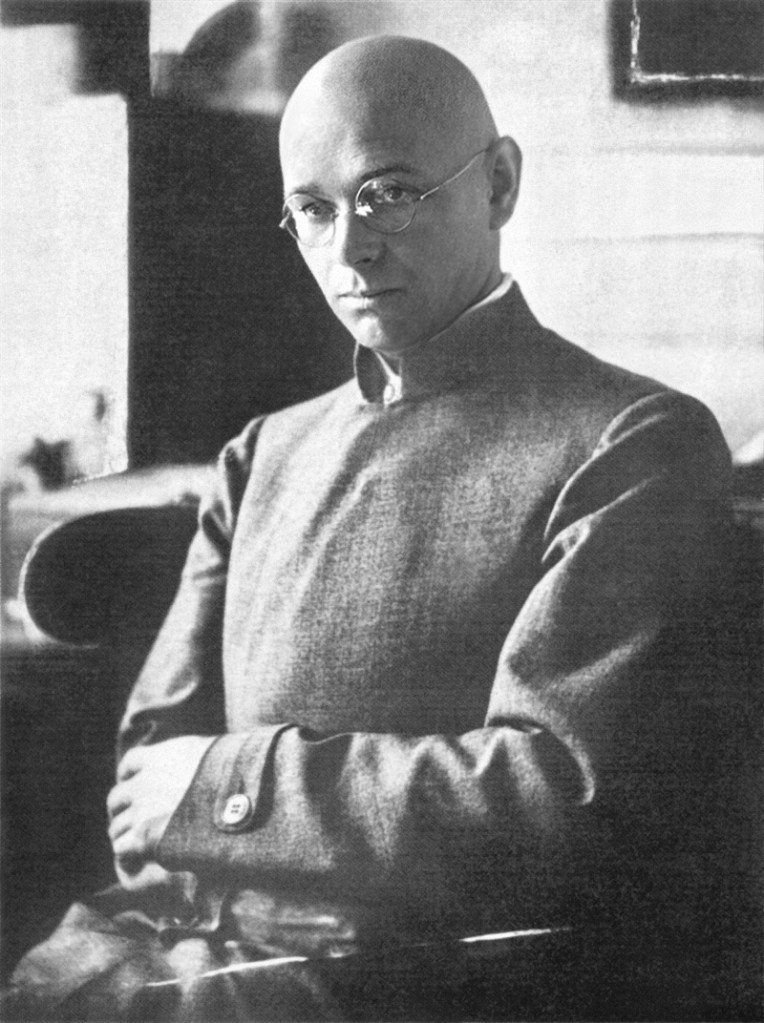
Both Walter Gropius and Johannes Ittens had a huge influence on not just the Bauhaus, but on us. It is hard to imagine how a person’s creativity can changed the world’s mind in the design of not just fine arts, but also architecture.
Other References:
 HOME | Archive