
By Rex Hau
3D printing, also known as additive manufacturing, is a method of creating a three-dimensional object layer-by-layer using a computer-created design. It is no new knowledge that architects use 3D printing to build architectural models, but when we are told that 3D printing is capable of constructing load-bearing structures and real houses, it might be a surprise.
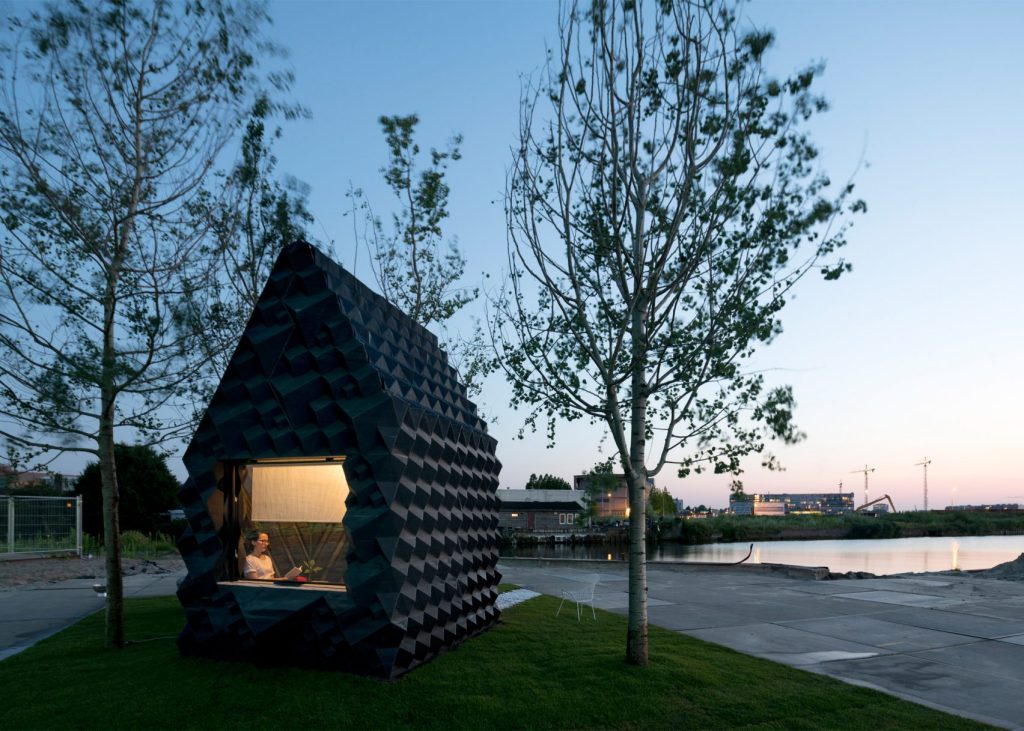
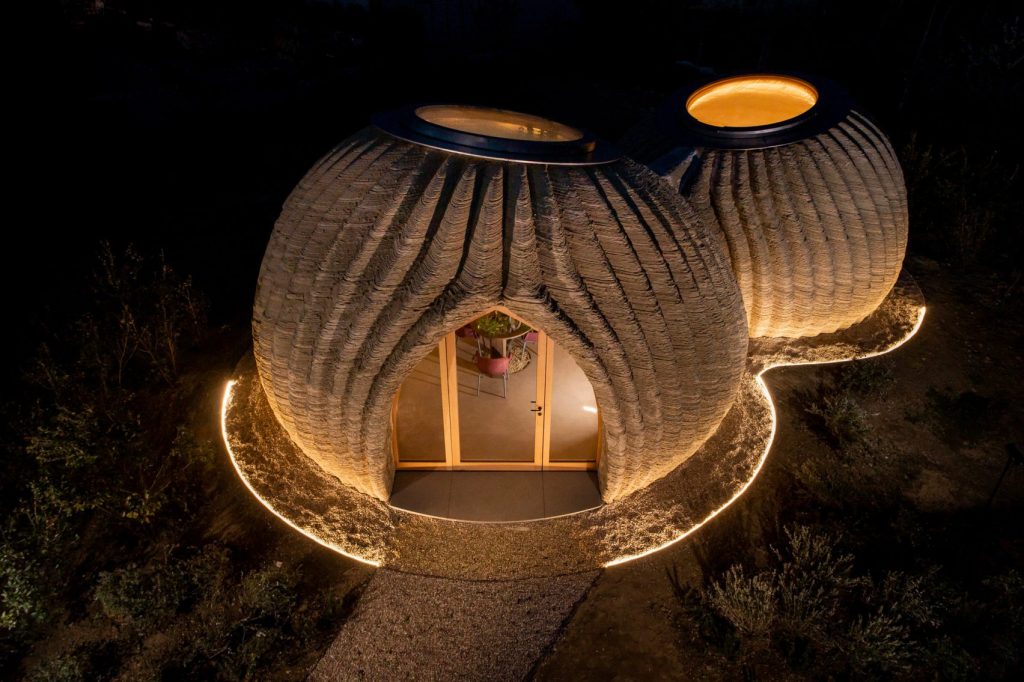
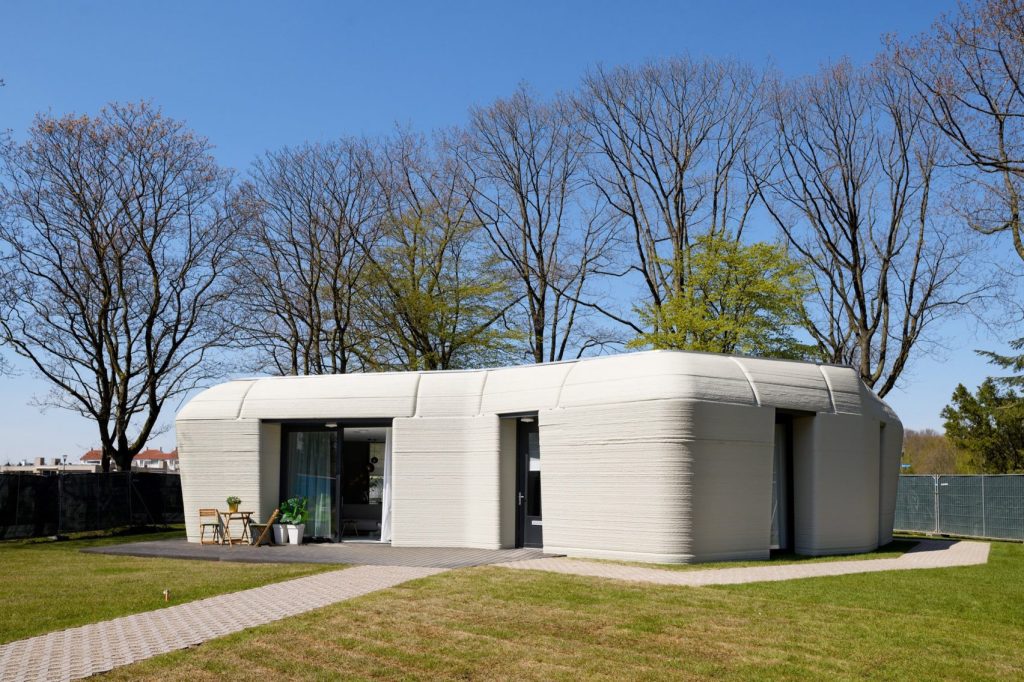
In fact, there are existing projects that manifest the limitless possibilities of 3D printing in the architectural industry. The Bio-plastic micro-home designed by the DUS Architects used sustainable bioplastic to print and construct the eight-square-meter micro cabin in Amsterdam. The cabin has just enough space for a small sleeping area, with a bed that can be put away when not in use. A 3D-printed bath was constructed using the same deposition modelling technique as the external geometric walls. The Tecla drew inspiration from vernacular architecture and ancient building techniques to create and develop this low-carbon housing prototype. It comprises two connected domes and has an area of 60-square-meters. The structure was fitted with glass doors and a large skylight at the top of each dome that allows light to enter the space. In 2019, a Dutch couple became the first inhabitants of a fully 3D printed house which provided them 94 sq. meters of living space. The Project Milestone is also the first of its kind to be fully permitted by the local authorities and is lived by people as real estate. Supporters believe it will open up a myriad of choices in the shape and building style of homes in the future.
3D construction does not depend on concrete formwork (prefabricated parts) but on computer models. Architects can easily develop structures of any shapes, surfaces, shapes, and colors since walls can be printed in any form in an effective manner. There are literally no limits to architectural creativity. Going further into the buildings, 3D printing also allows architects to create complex furnishings and detailed parts that can be prototyped and produced quickly.
However, there are also disadvantages in 3D printed architectures. Unlike the production of glass or wood-dominated architecture designs, the scale and productivity of 3D printing relies on its printing machine, which, currently, are small printing chambers. Manufacturing anything bigger will either need to be printed in separate parts and assembled, or require a larger machine which is proportionate to the production cost. Moreover, since the 3D printer prints out everything on the model or design all at once, mistakes in the design cannot be corrected halfway. The consumption of non-renewable energy, electricity, is a drawback that prevents large scale 3D printing production in the architecture industry, in addition to its high cost to pay the bills.
The emergence of 3D printed architecture will install new aesthetic structures that will look much different than those of today. According to Northbridge insurance, although 3D printing may not be taking over the entire manufacturing industry just yet, analysts predict there will be a great deal of growth and the market will be worth 32.78 billion USD by 2023. More analysis and evaluations can be made as the development of 3D printed architecture progresses. Certainly, it will be interesting to keep track of this unique construction method in the industry.
References:
https://www.machinedesign.com/3d-printing-cad/article/21130574/3d-printing-and-architecture
https://www.bproperty.com/blog/pros-cons-
https://www.dezeen.com/2021/05/14/seven-3d-printed-houses-around-world/
https://www.archdaily.com/970937/can-3d-printing-reshape-residential-architecture-as-we-know-it
 HOME | Archive