Chloe Heung
Introduction of Concrete in Architecture
The first thing that comes to my mind about the material that has been used in architecture is concrete. Concrete is a plain material that evokes a unique feeling and neutral colour tone. Frequently applied in different famous buildings in the past few decades, it is a relatively cheap material which makes concrete a popular usage in the interior or exterior surfaces in the completed structure nowadays. In this article, I am going to briefly show you why concrete is so special to me and the advantages of using concrete.

What is ‘ordinary concrete’?
Ordinary concrete is composed of cement, sand, stone and water. After pouring, other decorative materials need to be added for decoration, such as ceramic tiles, stone and marble etc. In contrast to fair-faced concrete, it produces more constructive waste and it will take a long time for the decorations. Though concrete is not as cheap as wood and its production generates waste, it is more durable and resistant to water and fire damage. Concrete also requires little maintenance after it is constructed. Once poured and set, it can remain in good shape without needing any protective coats or getting treated with any chemicals. Unlike wood and steel, architects do not have to account for regular coating and painting to keep the structure protected. When you need to repaint or re-coat the concrete, it is mostly to meet aesthetic demands more than anything else.

Another positive factor that makes concrete a good material is that it can be recycled. Concrete is one of the best building materials to use as it can be produced in the exact amounts needed for a job to ensure that no excess goes to waste. When the concrete is no longer needed, it can be broken down and reused elsewhere. Concrete is typically recycled as aggregate and used as the sub-base material in parking lots, shoreline protection and more.
Fair-faced Concrete
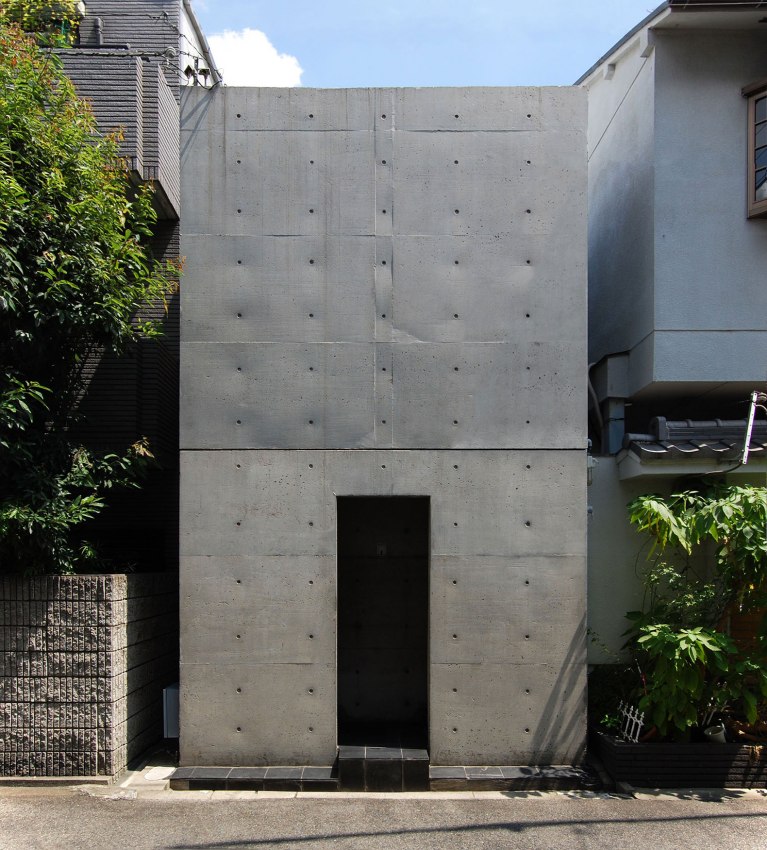
Fair-faced concrete is one of many concrete construction finishes. It is also called decorative concrete that represents a ‘higher-grade’ reinforced concrete, a name that comes from its flexibilities of decoration style. This type of concrete always uses one-time molding. It involves a very high precision and workmanship. People do not usually modify or paint on the surface as it already has a ready-made smooth surface for the final appearance. It does not require further painting or polishing on it. And the reason why fair-faced concrete is much better than ordinary concrete is that its surface is flat and smooth, minimizing the pollution to the environment. It gives a better cold and grey colour, as well as a three-dimensional appearance than ordinary concrete. More importantly, it plays an important role in minimalistic expression in many works of architects.
Tadao Ando’s Works
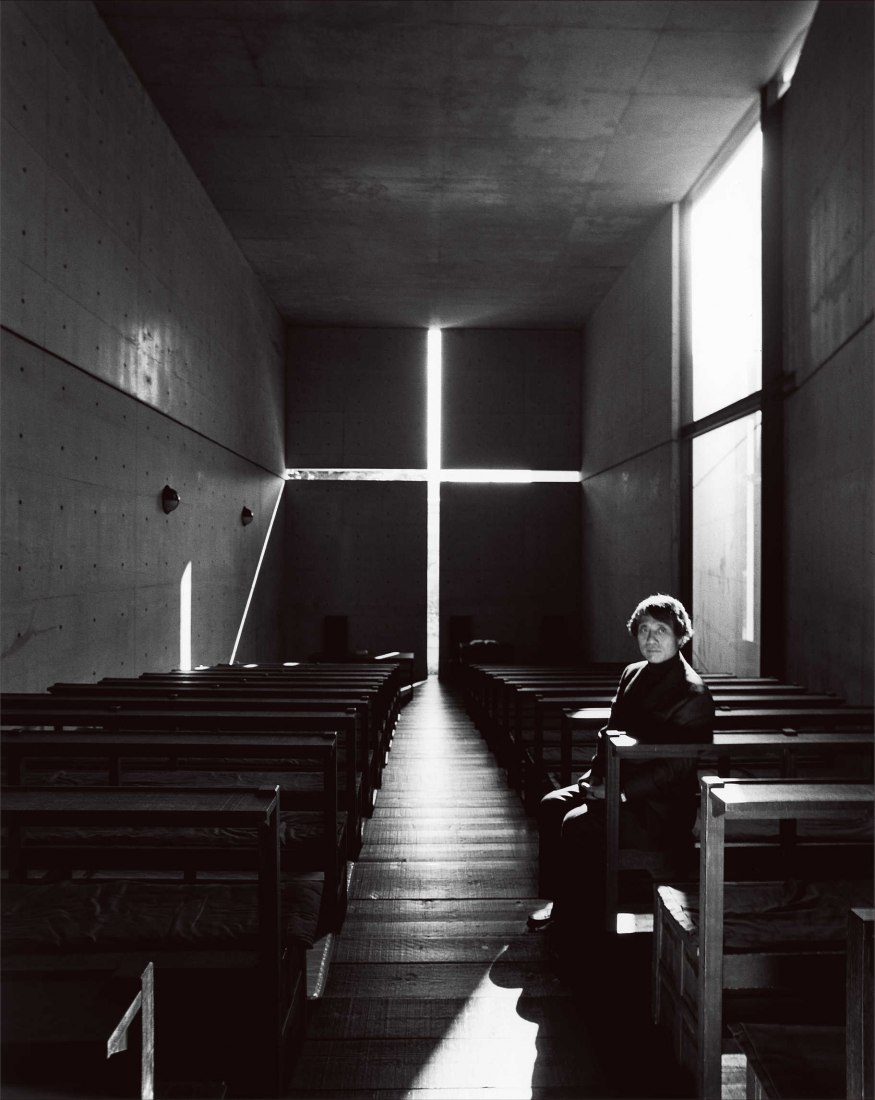
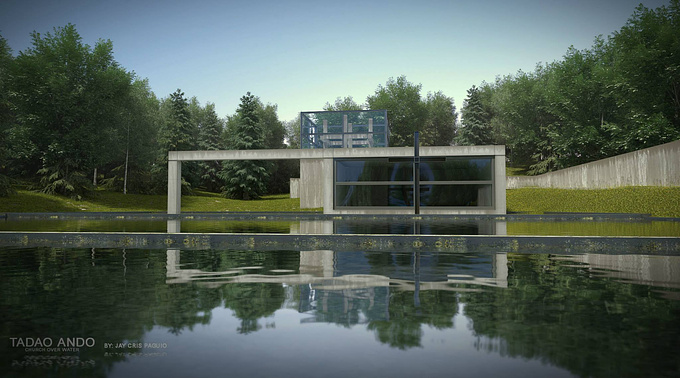
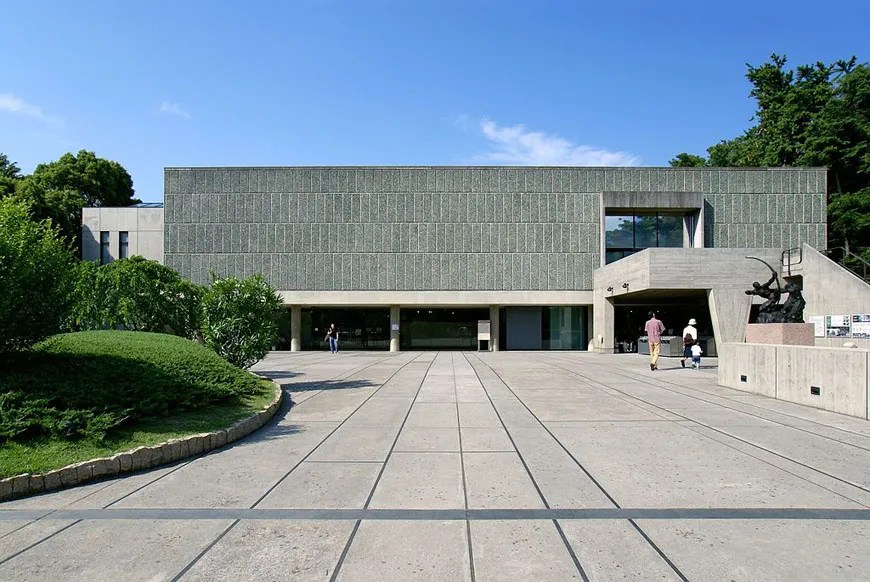
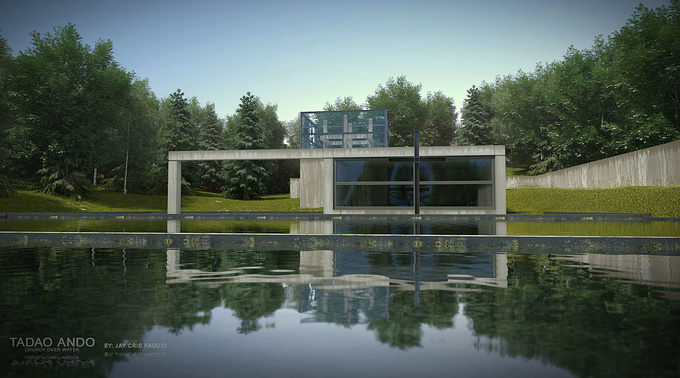
Personally, my appreciation for concrete as an architectural material starts with Tadao Ando’s highly-regarded project – Church of the Light. It is the main chapel of the Ibaraki Kasugaoka Church sitting in Osaka Prefecture. One theme that he emphasized was to create a strong contrast between the light and the solid. In the chapel, daylight enters into the interior space through a cross cut in the concrete wall. It casts a clear and bright cross when people are inside the building. The main element that can be found in all Tadao Ando’s works is his idolization of the fair-faced concrete structures. This leads to a new wave of design by using concrete material in many modern architecture in Japan.



Other Uses of Concrete
As concrete structures and products are easily built, its application is not only bound to architectural works. It can be used in many engineering works such as the reinforcement components for sea edges. Moreover, it does not require much outstanding decoration while giving a natural colour tone to match with the environment. Based on the above findings on concrete, this concludes why I like concrete in many architectural designs. I hope that you share the appreciation for concrete!
References:
 HOME | Archive